
PAGE: 1
Page Navigation: Most Recent , 1
ISSUE N028
Introduction
Every maintenance leader knows the pain of the unexpected breakdown; the one that happens just after a major PM, during a big order, or when the required spare part is not available. Traditional preventive maintenance helps, but it still relies somewhat on our judgement.
Predictive technologies change that. They allow us to see early signs of deterioration and act before a failure ever occurs. Combined with Lean and TPM principles, predictive maintenance transforms the way organizations manage equipment reliability — replacing firefighting with foresight.
ISSUE N027
Introduction
Change used to come in waves; now it’s a constant tide. From digital transformation and automation to restructuring and new market realities, organizations are facing more disruption in five years than they once did in twenty. The question isn’t whether change is coming, it’s whether your organization is built for it.
In today’s environment, adaptability has become the ultimate competitive advantage. Companies that once thrived on stability and control now win by learning, experimenting, and evolving faster than their competitors. The ability to navigate uncertainty, without losing alignment or culture, defines who thrives and who fades.
ISSUE N026
Introduction
Manufacturing companies sit on mountains of knowledge. Standard operating procedures (SOPs), HR policies, work instructions, training manuals, maintenance logs, equipment specifications, and LEAN playbooks are everywhere, scattered in binders, SharePoint folders, email attachments, or worse, only in the heads of veteran employees.
That’s the promise of AI Agents in manufacturing. Powered by large language models (LLMs), these digital assistants can become the ultimate knowledge coach: always available, fluent in your processes, and aligned with LEAN principles. Here’s how to build one.
ISSUE N025
Introduction
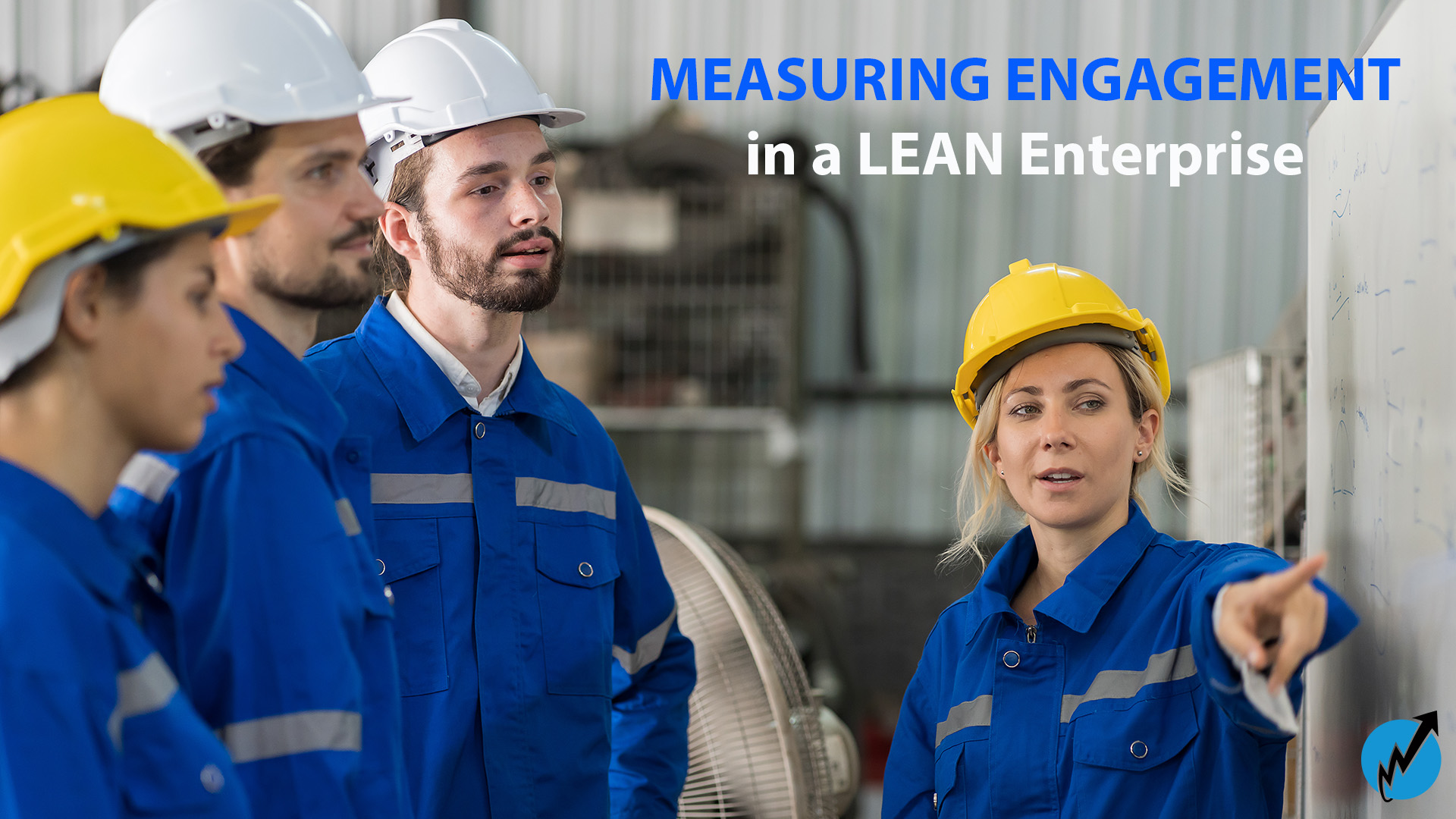
Employee engagement is the fuel that powers Lean transformation. Tools and techniques such as 5S, kaizen, and standard work are valuable, but without engaged employees, they remain surface-level initiatives. In Lean organizations, engagement means more than job satisfaction; it reflects whether people feel ownership, trust, and motivation to improve processes and deliver value to customers.

ISSUE N024
Introduction
Lean tools don’t build culture, trust does. The success of any Continuous Improvement (CI) effort comes down to one thing: Do people trust the leaders driving the change? Trust isn’t a soft skill; it’s a structural one. It’s a prerequisite for Lean to take root and grow. Without it, tools and training are just noise. With it, you build buy-in, energy, and belief.
ISSUE N023
Introduction
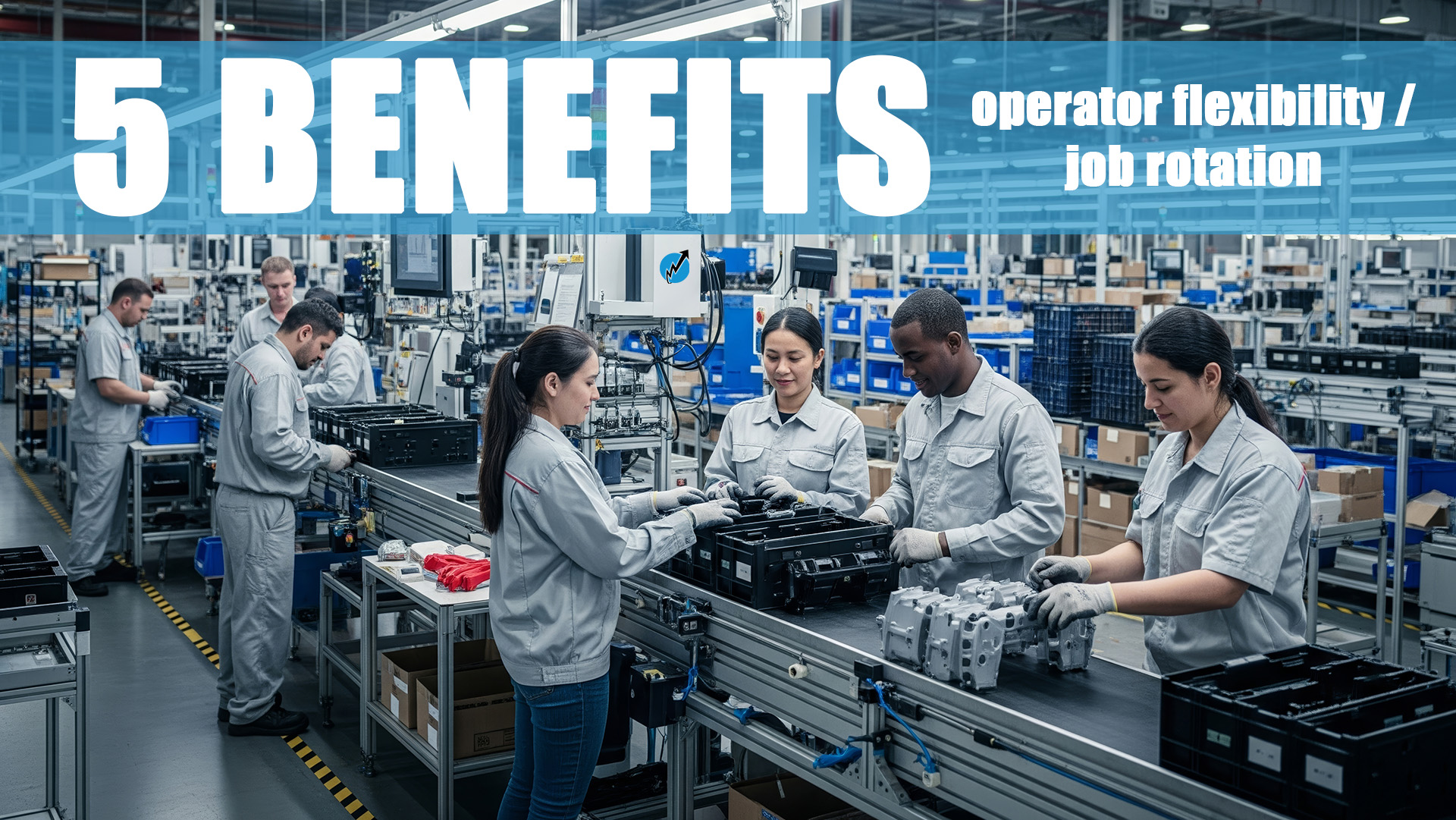
Operator flexibility, sometimes referred to as job rotation or multi-skilling, is the practice of training team members to perform multiple jobs within a production area. Instead of specializing in only one task, employees rotate through 4–6 jobs, giving them broader skills and a wider perspective of the process. Rotations typically occur at natural break points in the day, every 2–3 hours, during shift changes, or at logical process intervals. This frequency balances efficiency with ergonomics, ensuring operators stay fresh and engaged while minimizing disruption to flow.
ISSUE N022
Introduction
In the world of manufacturing, we often hear the terms Preventive Maintenance (PM) and Total Productive Maintenance (TPM). While both aim to improve equipment reliability and reduce downtime, TPM introduces a powerful shift that distinguishes it from traditional PM: Autonomous Maintenance (AM).This isn’t just a technical change, it’s a cultural and operational one. It’s also where the biggest personal benefits lie for both Production Equipment Operators and Maintenance Technicians.So, let’s talk real: What’s in it for me (WIIFM)?
ISSUE N021
Building a system for growth and longevity
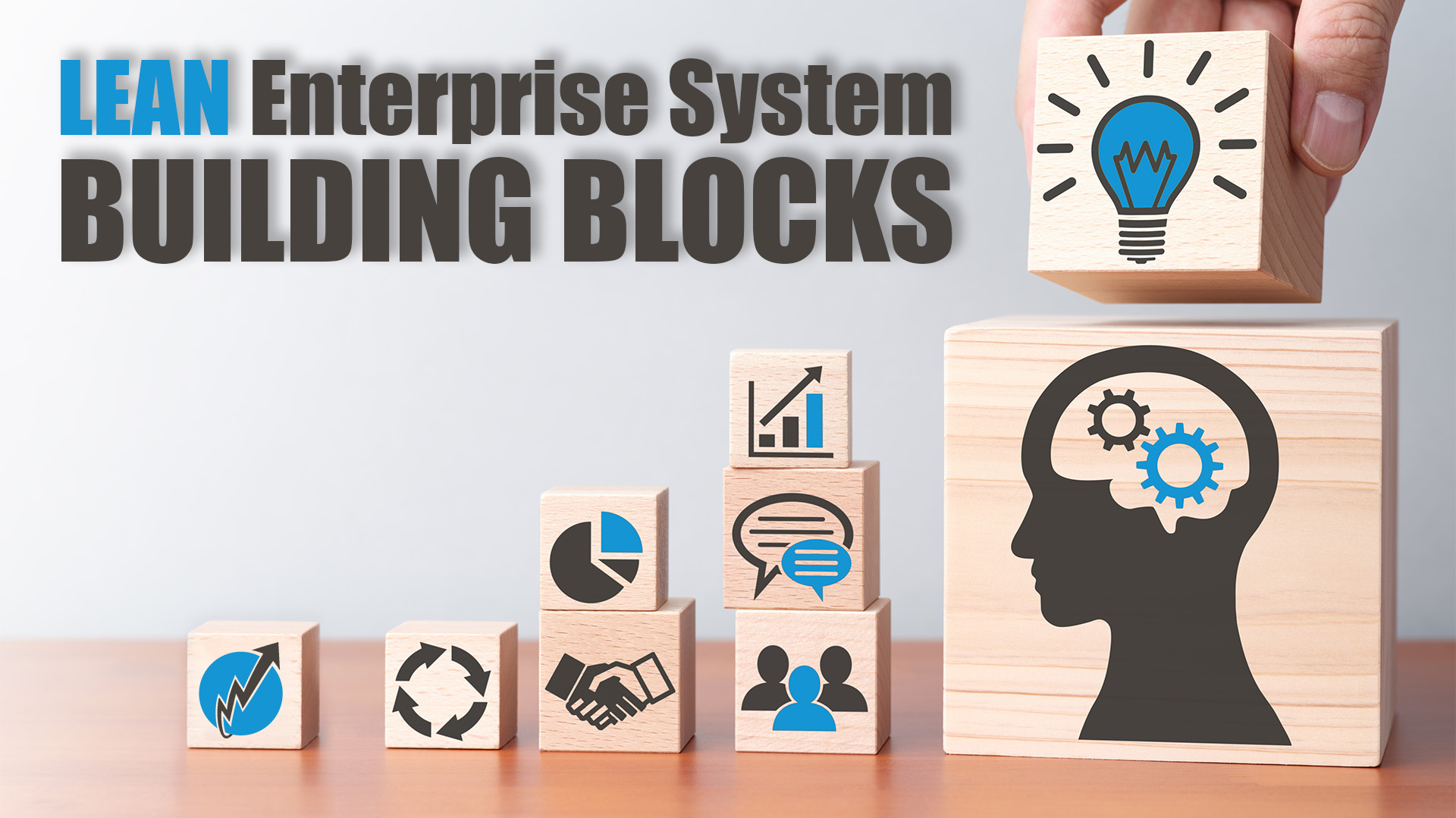
Most companies that have been around for more than a few years can find evidence of false starts of LEAN initiatives. False starts can usually be attributed to failure to build a strong foundation and focusing more on tools than process. What are the essential process building blocks of a LEAN Enterprise System that will last?
ISSUE N020
Introduction
Artificial Intelligence (AI) is no longer a future concept—it's already here, reshaping the way businesses manage operations, data, and decision-making. But while AI excels at speed, scale, and prediction, it doesn’t automatically make your processes better. That’s where Lean comes in. AI without Lean is like automating a broken system—it might run faster, but it won’t run smarter.

ISSUE N019
Introduction
"Integrity, Communication, Respect, Excellence" — those were the four core values proudly displayed in Enron’s corporate lobby. But when words don’t match behavior, they become warnings instead of guidance.
At the turn of the century, Enron was a global powerhouse, praised for innovation, profitability, and a forward-thinking energy model. But behind the PR spin and stock price was a catastrophic misalignment between the company’s stated values and the behavior of its leaders.