What are QUICK TAKES?
Like many of you, we like to read. These are some of our favorite books. We jotted down some highlights, and we asked our AI team member to organize our thoughts. The name "book summary" is a stretch, so we named this work QUICK TAKES. Definitely some good reads on the list. There is a wide variety of general business books, LEAN books including some classics, as well as books on the power of story telling. Enjoy!
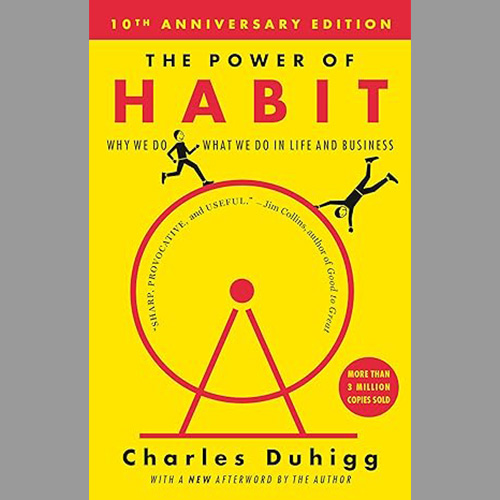
The Power of Habit by Charles Duhigg
Introduction:
"The Power of Habit" by Charles Duhigg delves into the fascinating world of habits, exploring how they are formed, how they can be changed, and the profound impact they have on our lives and society. Duhigg combines research from psychology, neuroscience, and a multitude of real-life examples to illustrate the powerful role habits play in individual behavior, business practices, and societal trends.
The Structure of Habits:
Duhigg begins by dissecting the anatomy of a habit, which he describes as consisting of three components: the cue (a trigger for the behavior), the routine (the behavior itself), and the reward (the benefit received from the behavior). This loop — cue, routine, reward — becomes ingrained over time until the behavior becomes automatic, forming a habit.
The Individual:
The first section of the book focuses on how habits influence individuals. Duhigg uses various stories, from the transformation of a chronic smoker to an Olympic swimmer's training regimen, to illustrate how recognizing and understanding the habit loop can lead to significant personal change and achievement.
-
The Habit Loop: Understanding this cycle is the first step in changing undesirable habits or forming positive ones. By identifying cues and rewards, individuals can alter the routine or behavior in the middle.
-
Craving: Duhigg introduces the concept of craving, the powerful desire that drives the habit loop. He illustrates this through the development of Pepsodent toothpaste, which successfully created a craving for oral hygiene in early 20th-century America.
-
Belief: Change requires belief, often fostered within a community. Duhigg uses the example of Alcoholics Anonymous to show how belief in a higher power and the support of a group can help individuals overcome addiction, highlighting the importance of social and communal support in habit change.
Organizations:
The second part of the book examines habits within organizations. Duhigg illustrates how understanding and shaping habits can lead to profound changes in a company's culture, efficiency, and success.
-
Keystone Habits: These are habits that, when changed, have a ripple effect, influencing numerous aspects of an individual's life or an organization's operation. For instance, Duhigg discusses how Alcoa's focus on safety became a keystone habit that transformed the company's culture and performance.
-
Small Wins: Duhigg emphasizes the power of small wins, which are modest changes that can set off a chain reaction, leading to broader changes. These incremental victories build momentum, making significant transformations more achievable.
-
Crisis as an Opportunity: Organizations can leverage crises to instill positive habits. During turmoil, the traditional resistances to change are weakened, providing a unique opportunity to implement new patterns of behavior.
Societies:
The final section explores how habits influence and are influenced by societies. Duhigg uses examples from the Montgomery bus boycott and the growth of Starbucks to show how societal habits can be transformed and how individuals' habits are shaped by their social environment.
-
Movements: Duhigg discusses how social movements grow and sustain themselves through the development of communal habits. The Montgomery bus boycott, for instance, was not just a singular event but a series of actions supported by newly formed social habits.
-
Self-Determination and Willpower: Using Starbucks as an example, Duhigg explores how teaching employees to handle orders methodically can influence their personal sense of self-determination and control. Willpower, Duhigg argues, is a muscle that can be strengthened with practice, much like a habit.
Conclusion:
"The Power of Habit" concludes with a reflection on the nature of habits and their dual role as both a benefit and potential detriment to our lives. Duhigg advocates for the mindful analysis and alteration of our habits, suggesting that by understanding the cues and rewards, we can change our routines and, consequently, our lives.
Reflection:
Duhigg's book is more than a simple guide on changing habits; it's a deep dive into the fabric of human behavior, organizational change, and societal norms. By intertwining scientific research with compelling narratives, Duhigg provides a thorough understanding of why we do what we do and how we can harness the power of habits to foster personal growth, organizational efficiency, and social change. The insights from "The Power of Habit" are invaluable for anyone looking to understand and improve their actions or influence broader patterns of behavior in their environments.