What are QUICK TAKES?
Like many of you, we like to read. These are some of our favorite books. We jotted down some highlights, and we asked our AI team member to organize our thoughts. The name "book summary" is a stretch, so we named this work QUICK TAKES. Definitely some good reads on the list. There is a wide variety of general business books, LEAN books including some classics, as well as books on the power of story telling. Enjoy!
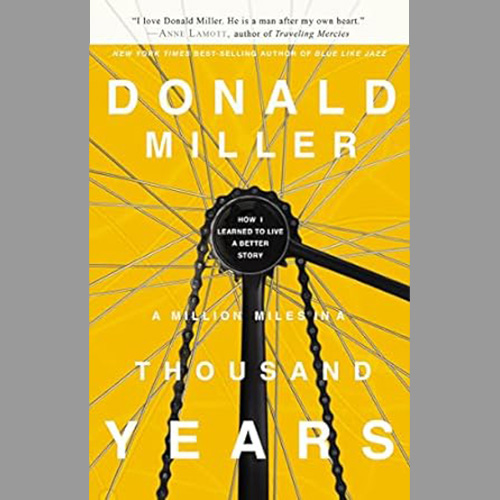
A Million Miles in a Thousand Years by Donald Miller
Introduction:
"A Million Miles in a Thousand Years" by Donald Miller is a compelling narrative that explores the concept of living a meaningful life as if it were a story. The book unfolds as Miller grapples with the mundanity of his existence, spurred into action by an opportunity to edit his life into a meaningful narrative. Through this transformative journey, Miller delves into the elements that make a story—and a life—worth telling, offering profound insights into purpose, identity, and the power of living intentionally.
The Genesis of Transformation:
The book begins with Miller in a state of ennui, feeling disconnected from the essence of a fulfilling life. The catalyst for change arrives when two filmmakers approach him to adapt his earlier book, "Blue Like Jazz," into a movie. This process requires Miller to reexamine and rewrite his life's story, leading him to a deep introspection about what makes a life meaningful and how one might go about editing their existence to make it resonate with purpose and passion.
Understanding Story:
Miller's journey is intertwined with lessons on the nature of story. He emphasizes that every compelling story involves a character who wants something and overcomes obstacles to achieve it. This narrative framework becomes a metaphor for Miller's own life, prompting him to identify his desires and confront his fears. He learns that, like characters in a story, individuals must endure conflicts and challenges to grow and transform.
The Elements of a Meaningful Story:
-
Character and Desire: Miller emphasizes the importance of knowing what one wants, a key element that drives a story forward. He explores his own desires and aspirations, understanding that a character without desire leads to a story without direction.
-
Conflict: No story is compelling without conflict. Miller reflects on how avoiding challenges and discomfort had led to a stagnant life. He learns to embrace and seek out challenges, recognizing them as essential to personal growth and transformation.
-
Change: A story is about transformation. Miller contemplates his own resistance to change and the transformations he needs to undergo. He realizes that change, though often difficult, is crucial to creating a narrative worth telling.
Living the Story:
Miller's conceptual understanding of story translates into tangible life changes. He embarks on various adventures, from hiking to Machu Picchu to biking across America, each act a conscious step toward crafting a life of significance. These experiences are not just for thrill but are emblematic of his deeper quest for meaning and purpose.
Relationships and Community:
The narrative extends beyond Miller's personal journey, emphasizing the importance of relationships and community in crafting a meaningful story. He explores his relationships, understanding that characters do not exist in isolation but are defined by their interactions with others. Through various encounters and relationships, Miller discovers the value of connection, love, and community in enriching one's life story.
Overcoming Inertia:
A recurring theme in the book is the battle against inertia—the tendency to remain in comfort zones. Miller confronts his own passivity and the societal norms that encourage a life of complacency and safety. He champions the idea that a meaningful life often requires taking risks and stepping into the unknown.
Creating Significance:
Miller's transformation is not just about adventure; it's about significance. He explores how meaningful stories often involve characters contributing to something greater than themselves. Through his experiences, Miller seeks to impact the world positively, finding purpose in acts of service and kindness.
Conclusion:
"A Million Miles in a Thousand Years" is more than a memoir; it's a call to action. Miller invites readers to reflect on their own lives as stories waiting to be written intentionally. By embracing the elements of a compelling narrative—desire, conflict, and transformation—individuals can craft lives that are not only meaningful to themselves but also inspiring to others.
Reflection:
Donald Miller's narrative is a powerful testament to the idea that we are the authors of our own lives. The book serves as a guide to anyone feeling stuck or searching for more, offering a framework for examining and enhancing one's life story. It's a reminder that while we may not control every aspect of our lives, we have the power to shape our narrative through the choices we make and the challenges we dare to face. In the end, "A Million Miles in a Thousand Years" isn't just about living a better story; it's about creating a life that resonates with depth, meaning, and purpose.